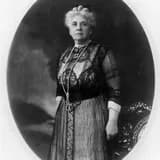
Helps lead women’s Fifth Avenue Peace Parade in New York City protesting World War I.
On August 29, 1914, as Europe plunged into World War I, Fanny Garrison Villard helped lead a major Peace Parade down Fifth Avenue in New York City, marching with reformers such as Lillian Wald and roughly 1,200 women.
Organized just weeks after the outbreak of war, the Fifth Avenue Peace Parade was one of the earliest large‑scale public demonstrations against militarism in the United States. Fanny’s role as a leader of the procession signaled her emergence as a nationally recognized pacifist, building on the Garrison family’s tradition of non‑resistance and moral absolutism.
The parade was historically significant for showcasing women’s collective political power in the streets at a time when most still lacked the vote. Participants, many dressed in black or white, marched silently behind peace banners, dramatizing their refusal to accept war as inevitable. As a prominent suffragist and philanthropist, Fanny’s visible leadership helped legitimize women’s peace activism within broader progressive circles.
This event also prefigured the organizational work she would undertake in founding women’s peace groups during and after the war. By challenging popular enthusiasm for military intervention, Fanny and her fellow marchers confronted strong cultural and political pressures, insisting that citizenship included the right—and duty—to oppose war. The Fifth Avenue Peace Parade thus became a touchstone in the history of U.S. feminist pacifism.