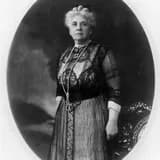
Marriage of Fanny Garrison to journalist and future railroad executive Henry Villard in Boston.
On January 3, 1866, Helen Frances “Fanny” Garrison married journalist and future railroad executive Henry Villard in a union that would intertwine reform politics, publishing, and corporate power in the late nineteenth century.
Fanny entered the marriage as the musically trained daughter of a famous abolitionist; Henry was a German‑born correspondent who would later control major railroads and help develop the Northern Pacific line. Their marriage created a household in which debates about capitalism, social reform, and liberal politics unfolded against the backdrop of rapid industrial expansion.
Historically, this date marks Fanny’s transition from independent piano teacher to a woman navigating elite New York and railroad circles while quietly insisting on her own reform commitments. Within this marriage she raised four children—Helen, Oswald Garrison, Harold Garrison, and Henry Hilgard Villard—two of whom became notable intellectuals and reformers in their own right, extending the Garrison‑Villard influence into the twentieth century.
The union also positioned Fanny to use her social status, wealth, and connections to support suffrage, civil rights, and pacifist causes later in life. Her identity as "Mrs. Henry Villard" granted access to elite philanthropic networks, while her Garrison heritage kept her grounded in radical critique. The 1866 marriage thus set the stage for the distinctive combination of privilege and protest that characterized her public career.