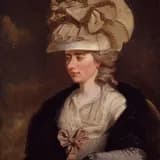
Burney's first novel, 'Evelina, or A Young Lady's Entrance into the World,' was published anonymously, bringing her sudden literary fame.
On 29 January 1778, Fanny Burney's first novel, Evelina, or A Young Lady's Entrance into the World, was published anonymously in three volumes by the London bookseller Thomas Lowndes. Burney had submitted the manuscript in secret, disguising her handwriting and using intermediaries so that not even her own father initially knew she was the author.
The novel, an epistolary tale following a naive young woman's introduction to London society, was an immediate sensation. Its wit, satirical social observation, and vivid depiction of manners captivated readers across all classes, including literary luminaries such as Samuel Johnson, Edmund Burke, and Hester Thrale, who praised it enthusiastically once Burney's authorship was revealed later that year.
The anonymous publication was itself a strategic and necessary choice: female authorship of fiction, particularly comic or satirical fiction, carried significant social stigma in eighteenth-century England, where novel-writing by women was often dismissed as frivolous or improper. By publishing without her name, Burney was able to test her literary voice without risking her family's reputation or her own prospects.
The success of Evelina transformed Burney's life, granting her entry into elite literary circles, including the famed "Bluestocking" salons, and establishing her as one of the most important novelists of her generation. Her influence on the development of the novel of manners would later be acknowledged by writers such as Jane Austen, who admired Burney's work deeply. The novel remains a landmark achievement in the history of the English novel and in the emergence of women as serious literary professionals.