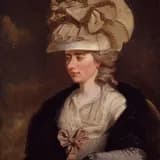
Burney's novel 'Camilla, or A Picture of Youth' was published, earning her the substantial sum of £1,000, reflecting her commercial success.
In 1796, Fanny Burney published her third novel, Camilla, or A Picture of Youth, in five volumes through the publishers T. Payne, Cadell & W. Davies. The novel, published by subscription, attracted an impressive list of subscribers, including many members of high society and literary figures of the day, a testament to Burney's enduring popularity and prestige.
Significantly, Burney negotiated and received the substantial sum of £1,000 for the publication rights—an extraordinary amount for a female author at the time, and one of the largest sums paid for a novel in this period. This financial success allowed Burney and her husband, the exiled French general Alexandre D'Arblay, to build a home, aptly named "Camilla Cottage," using the proceeds from the novel.
Camilla explores themes of courtship, financial precarity, and the moral education of young women, continuing Burney's exploration of the social pressures facing women in Georgian society. The novel was read and admired by contemporaries including a young Jane Austen, who was among its subscribers, further cementing the literary lineage connecting the two authors.
The financial triumph of Camilla stands as a landmark moment in the history of women's professional authorship, demonstrating that a woman writer could achieve not only critical acclaim but substantial financial independence through her literary work—a significant achievement in an era when few women could support themselves through writing alone.