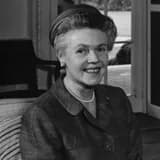
Eugenie Anderson died on April 2, 1997, in Red Wing, Minnesota, at age 87, after a pioneering career as the first American woman ambassador and UN Security Council representative.
On April 2, 1997, Eugenie Anderson died in Red Wing, Minnesota, at the age of 87, closing the life of one of the twentieth century’s most significant American women in diplomacy.[0][16]
Obituaries in major newspapers, including the Los Angeles Times, noted her pioneering status as the first American woman ambassador and highlighted her later service as U.S. minister to Bulgaria and as a delegate to the United Nations Security Council.[0] They emphasized both her trailblazing achievements and her reputation for direct, people‑oriented diplomacy.
Anderson’s death prompted reflection on a career that had spanned crucial phases of the Cold War and postwar international order. From her work in Denmark on trade and NATO–era relations, through her mission behind the Iron Curtain in Bulgaria, to her contributions at the United Nations, she helped shape American foreign policy while simultaneously expanding possibilities for women in public service.[3][4]
Her passing also invited renewed attention to her roots in Minnesota politics, where she was a co‑architect of the Democratic–Farmer–Labor Party and a close ally of figures such as Hubert Humphrey. Commentators stressed that her diplomatic achievements were built upon years of grassroots organizing, policy study, and voluntary political work.[11][9]
For women’s history, April 2, 1997, marks the end of a formative chapter. Anderson’s life story became a touchstone in discussions of gender and diplomacy, inspiring biographies, documentary projects, and educational programs—including the book Mrs. Ambassador: The Life and Politics of Eugenie Anderson and media features that continue to introduce new generations to her legacy.[5][9]