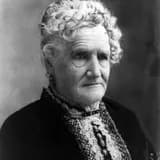
Wyoming Territory's legislature passed and Governor John A. Campbell signed the first law in U.S. history granting women full voting rights.
On December 10, 1869, the first Wyoming Territorial Legislature passed a bill introduced by William H. Bright granting women the right to vote and hold public office. Territorial Governor John A. Campbell signed it into law the same day, making Wyoming the first government in the United States — and one of the first in the world — to grant women unrestricted suffrage.
This landmark act was not achieved in isolation: it was championed by a small but determined group of settlers, legislators, and reformers in the sparsely populated territory, motivated by a mix of genuine egalitarian conviction and a desire to attract settlers and publicity to Wyoming. Esther Hobart Morris, who had recently arrived in South Pass City, is traditionally credited by many local histories — including a popular but historically contested legend — with hosting a tea party where she persuaded rival legislative candidates Bright and H.G. Nickerson to support suffrage legislation.
Whatever the precise nature of her personal role in the bill's passage, the law's enactment on this date created the essential legal foundation without which her own appointment to judicial office two months later would have been impossible. It also cemented Wyoming's enduring nickname, the "Equality State," and provided the first American testing ground for women's full civic participation, influencing suffrage campaigns nationwide for the next half-century.