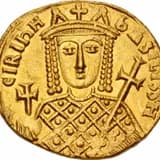
In October 790, Irene was displaced from power when Constantine VI took over, showing both the limits and resilience of her authority.
On 31 October 790, military and political opposition forced Irene from effective power, and Constantine VI began to rule independently. This reversal showed how fragile female authority could be in Byzantine politics, even when it had been grounded in regency and dynastic legitimacy. Irene’s opponents framed her influence as overreach, a reminder that her political position depended on managing male elites who could withdraw support at decisive moments.
The event is historically important because it marked the end of Irene’s first phase of rule and revealed the limits imposed on women in imperial government. Yet it did not end her political career. Instead, the setback set up her remarkable return to power two years later, when she reemerged as co-ruler and then moved toward sole authority. Irene’s ability to survive this defeat and later regain control demonstrates her political endurance and explains why she remains one of the most studied women in Byzantine history.