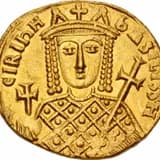
Following Leo IV’s death in 780, Irene became regent for Constantine VI, taking direct control of imperial government.
After the death of Leo IV, Irene became regent for her young son Constantine VI in September 780. This was a decisive political transition: a woman who had entered the palace as an empress consort now wielded the actual machinery of government on behalf of a child emperor. Regency in Byzantium could be precarious, but it gave Irene access to appointments, diplomacy, and ecclesiastical policy at the highest level.
Her accession as regent was significant because it allowed her to shape imperial policy during the iconoclast controversy and to build alliances that would support her authority. In a world where women’s power was often indirect, Irene’s regency represented an exceptional concentration of formal authority. It also exposed her to persistent elite resistance, since her authority depended on managing generals, courtiers, and bishops while defending the legitimacy of ruling in a male-dominated political order. The regency was the crucial bridge between her family role and her later claim to sovereignty in her own name.