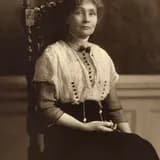
On 13 September 1913, Pankhurst arrived in New York for a widely publicized American suffrage speaking tour.
On 13 September 1913, Emmeline Pankhurst arrived in New York City to begin a lecture tour across the United States, part of her broader effort to internationalize the British suffrage struggle and build solidarity with American suffragists. Her arrival was a major media event; a New York Times headline that day famously asked, "What will New York do with Mrs. Pankhurst?" reflecting both fascination with and apprehension about her militant reputation.
Pankhurst's American tours were significant in exposing U.S. audiences directly to the arguments and tactics of the British suffragette movement, and in raising funds and awareness for the WSPU's activities back home. Her visits stirred considerable controversy given her association with militant, sometimes violent, protest tactics, including property destruction and hunger strikes, which some American audiences viewed skeptically.
Despite this, Pankhurst's charisma and oratory skill won her considerable respect and support in the U.S., and her tours helped forge transatlantic connections between British and American suffrage movements. Her presence in New York symbolized the growing international dimension of the women's suffrage campaign, demonstrating that the fight for the vote was not confined to Britain alone but was part of a broader global movement for women's political rights.