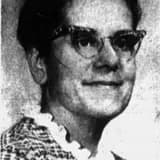
Emma Bailey holds her first auction in Brattleboro, Vermont, selling a rocking chair and becoming the first American woman auctioneer.
On May 12, 1950, Emma Bailey stepped onto the auction block in Brattleboro, Vermont, and sold a fifty‑year‑old rocking chair for $2.50, an apparently modest transaction that carried profound historical weight. This sale marked her debut as an auctioneer and is widely credited as the moment she became the first American woman auctioneer.
At the time, auctioneering in the United States was an overwhelmingly male profession, rooted in agrarian and commercial networks that largely excluded women from public, authoritative roles. Bailey, a petite, fast‑talking New Yorker who had relocated to rural Vermont after World War II, confronted skepticism and open resistance from men who doubted that a woman could command a bidding crowd or handle the complex logistics of sales. Her decision to take the microphone was both an economic necessity and a deliberate challenge to the gender expectations of mid‑20th‑century America.
The success of that first sale launched the Bailey Auction Barn on Black Mountain Road, a family‑run auction house that became a local institution and sustained her nearly two‑decade career in the field. By conducting regular sales, Bailey demonstrated that women could thrive in a profession requiring authority, financial acumen, and performance skills. Her pioneering auction on May 12, 1950, opened the door for countless women auctioneers who followed, and it is now cited in historical overviews and lists of American women’s firsts as a turning point in the gender integration of the auction industry.