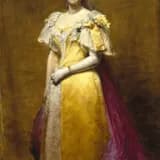
Emily Warren Roebling escorted French engineer Ferdinand de Lesseps during his February 1880 New York visit, reflecting her recognized engineering expertise.
In February 1880, Emily Warren Roebling had the distinction of escorting Ferdinand de Lesseps, the celebrated French engineer and diplomat behind the Suez Canal (and later associated with the Panama Canal), during his visit to New York City.
By this point, Emily had spent nearly a decade steeped in the technical and administrative details of the Brooklyn Bridge project, corresponding with contractors, engineers, and officials on her husband's behalf after his illness. Her role in hosting a figure of de Lesseps's international stature signals how far her reputation had grown within engineering circles — she was not merely a supportive spouse, but a recognized authority whose company was sought by some of the era's most prominent engineers.
This event underscores the unusual position Emily occupied: a woman operating with genuine credibility in a professional world almost entirely closed to women. It reflects both her personal accomplishments and the broader — if grudging — acknowledgment among elite engineering circles that she had become indispensable to one of the largest infrastructure projects of the 19th century. Her ability to converse knowledgeably with an international engineering celebrity like de Lesseps illustrates the depth of technical fluency she had achieved entirely through self-directed study and hands-on experience.