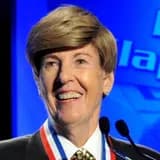
Frontier Airlines hires Emily Howell Warner as a pilot, making her the first woman permanently hired as flight‑crew by a U.S. scheduled passenger airline.
On January 29, 1973, Frontier Airlines hired Emily Howell Warner as a pilot, making her the first woman hired as a permanent flight‑crew member by a U.S. scheduled passenger airline in the modern jet age. This appointment ended a nearly four‑decade hiatus since Helen Richey’s short‑lived, non‑union airline role in the 1930s.
Warner had spent years building over 7,000 flight hours and multiple ratings while working at Clinton Aviation as a flight instructor, chief pilot, air‑taxi and flight school manager, and FAA designated examiner, yet major airlines repeatedly rejected her applications with the quiet assumption that women did not belong in the cockpit. Frontier’s decision, after a rigorous interview and simulator check, broke that pattern.
Her hiring was historically significant because it forced airlines, unions, and regulators to confront discriminatory hiring norms that had kept women from line‑pilot positions. Educational and museum sources emphasize that she was the first woman pilot hired on a permanent basis by a scheduled U.S. carrier, not a temporary or public‑relations appointment, and that she entered the same seniority and training system as male colleagues.
The impact was immediate and symbolic: Warner’s Frontier uniform would later be displayed at the Smithsonian National Air and Space Museum, and her story became a reference point in debates over equal employment opportunity in aviation. January 29, 1973 stands as a turning point when a U.S. airline finally opened its flight‑crew ranks to women on equal terms, with Emily Howell Warner at the forefront.