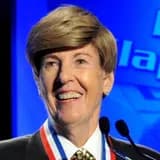
Promoted to captain at Frontier Airlines, becoming the first woman captain of a U.S. scheduled airline, flying a DHC‑6 Twin Otter.
On June 6, 1976, Emily Howell Warner was promoted to captain at Frontier Airlines, becoming the first woman captain of a U.S. scheduled airline and the first woman U.S. airline captain, flying a de Havilland Canada DHC‑6 Twin Otter on her inaugural command flight. This promotion placed her in ultimate authority over a commercial flight deck.
Captaincy in the 1970s carried immense responsibility and prestige. The captain was the final decision‑maker for flight safety, operational choices, and crew management, and passengers often viewed the role as synonymous with the airline’s competence. For a woman to attain that rank at a U.S. carrier confronted deeply rooted stereotypes about leadership, technical skill, and gender.
Warner’s rise to captain was the culmination of years of meticulous flying, instruction, and examination work. Her success forced both airline management and peers to recognize that competence and judgment, not gender, determined who could command an aircraft. It also provided an aspirational model for women pilots globally who could now point to a U.S. scheduled‑airline captain as evidence that such positions were attainable.
The legacy of June 6, 1976 reaches beyond Frontier. Her captain’s uniform entered the Smithsonian collection, and narratives of women in aviation regularly highlight this date as a key glass‑ceiling breakthrough. On this Twin Otter flight, Emily Howell Warner transformed the image of an airline captain in the United States, proving that women could and would lead commercial flight decks.