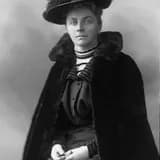
Hobhouse's 40-page report on camp conditions was published in June 1901, sparking public outcry and leading to the Fawcett Commission.
In June 1901, Emily Hobhouse's detailed 40-page report on conditions in the British concentration camps of South Africa was published and laid before the British Parliament and public. Drawing on her months of first-hand observation, the report catalogued overcrowding, malnutrition, disease, and appallingly high death rates — particularly among children — in camps across the Orange Free State and Transvaal.
The report caused immediate controversy. It was fiercely attacked by the government and much of the pro-war press, who accused Hobhouse of exaggeration and disloyalty, while Liberal politicians such as David Lloyd George and Sir Henry Campbell-Bannerman — who famously described the war methods as 'methods of barbarism' — used her findings to challenge the government's conduct of the war.
The public pressure generated by Hobhouse's report was instrumental in forcing the British government to appoint the official Fawcett Commission, an all-women commission led by Millicent Fawcett, to investigate the camps. The Commission's subsequent findings corroborated much of Hobhouse's testimony, leading to real improvements in camp administration, better rations, sanitation and medical care, ultimately saving many lives. This episode remains a landmark case of civilian whistleblowing altering state policy during wartime.