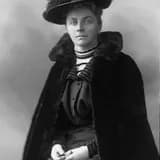
On 22 January 1901 Hobhouse made her first visit to Bloemfontein camp, documenting overcrowding, disease, and neglect of Boer women and children.
On 22 January 1901, Emily Hobhouse made her first inspection of the concentration camp at Bloemfontein, one of the largest camps established by British forces to intern Boer civilians during the South African War. What she found appalled her: thousands of women and children crammed into inadequate bell tents, with little food, contaminated water, minimal sanitation, and virtually no medical care.
Hobhouse meticulously documented the conditions — the starvation rations, the raging epidemics of measles, typhoid, and dysentery, and the horrifying mortality rates, especially among young children. She distributed what supplies she could and pressed camp officials for improvements, often meeting resistance and indifference from military authorities who viewed the internees as enemies rather than victims.
This visit was the first of many camp inspections she conducted across the Orange Free State and Cape Colony over the following months, gathering the evidence that would form the basis of her devastating report to the British government. Her willingness to confront military bureaucracy and challenge official denials of the crisis made her one of the first independent civilian observers to systematically document conditions in a state-run internment system, a role that presaged modern humanitarian monitoring and human rights reporting.