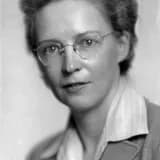
MacGill became the first woman to chair a UN committee, leading the UN Stress Analysis Committee.
In 1947, Elsie MacGill became the first woman to chair a United Nations committee when she was appointed chair of the UN Stress Analysis Committee. This was a notable institutional breakthrough because the United Nations, like most major international organizations of the period, was deeply shaped by male leadership in technical and diplomatic roles.
MacGill’s selection reflected the respect she had earned as an engineer with practical wartime experience and international technical credibility. Stress analysis was a specialized field tied to structural safety and aircraft reliability, and her chairmanship signaled that women could lead expert committees responsible for rigorous scientific and engineering work. In the postwar world, where international governance structures were being built anew, such appointments helped set precedents for women’s participation in global policy and technical administration.
The event is historically significant not just because it was a “first,” but because it extended MacGill’s impact from industrial aviation into international institutional leadership. It demonstrated that expertise, not gender, should determine authority. For women in engineering and public service, her chairmanship stood as a powerful example of professional legitimacy in spaces that had previously been closed to them.