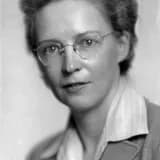
MacGill became the first woman to serve as a technical advisor for ICAO, helping shape postwar aviation standards.
In 1946, Elsie MacGill became the first woman to serve as a technical advisor for the International Civil Aviation Organization (ICAO). This role was historically important because ICAO was central to the postwar effort to standardize and regulate global civil aviation, making technical expertise at the organization highly influential in shaping the safety and future of international flight.
MacGill’s appointment came at a moment when aviation was transitioning from wartime production to peacetime regulation and expansion. Her background in aircraft design and production made her well suited to contribute to technical standards, but the fact that a woman was selected for such a role was itself groundbreaking. Engineering policy and international aviation governance were overwhelmingly male domains, and her presence challenged the assumptions that had long excluded women from technical decision-making at the global level.
The significance of this achievement lies in its legacy: MacGill’s service helped establish women’s competence in international technical bodies and broadened the range of voices shaping civil aviation. It also linked her wartime engineering experience to a wider postwar vision of aviation safety, regulation, and cooperation, showing that her influence extended far beyond factory floors and drawing boards.