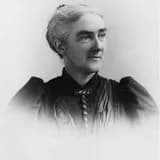
Helps launch Boston’s pioneering school lunch program, the first in the United States, applying home economics to child nutrition.
In the 1894 school year, around October 1, Ellen Swallow Richards helped start the nation’s first school lunch program in Boston.[5][11] Drawing on her expertise in nutrition, sanitation, and home economics, she worked to provide affordable, wholesome meals to schoolchildren, many of whom otherwise had limited access to nutritious food during the day.
This initiative applied scientific principles of diet and hygiene to public education. Richards and collaborators designed menus that balanced cost, palatability, and nutritional value, while also considering safe food preparation and serving practices.[5][11] The program demonstrated how home economics could function as a practical public health intervention, improving children’s well‑being and their capacity to learn.
The Boston lunch program quickly became a model for similar efforts in other cities, contributing to the eventual institutionalization of school lunch programs across the United States.[11] It also reinforced Richards’s vision of home economics as a field that connected laboratory science to everyday life, especially for working‑class families.
Although the exact launch date is not documented, the 1894 timing is clear. Marking this approximate date underscores the role of Ellen Richards in pioneering school nutrition programs and shows how women scientists used their expertise to shape social policy and child welfare long before such efforts were widely recognized as part of public health.