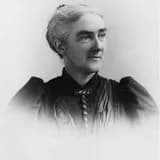
Begins instructing in sanitary chemistry at MIT and establishes the first U.S. sanitary engineering laboratory.
Around the start of the 1884–85 academic year, on or about September 1, 1884, Ellen Swallow Richards began serving as an instructor in sanitary chemistry at MIT, where she created the first sanitary engineering laboratory in the United States.[1][4][11] Known as the Lawrence Experiment Station, this laboratory became a model for scientific approaches to water and sewage treatment.
Establishing a sanitary engineering laboratory was a pioneering step in the application of chemistry and engineering to public health. Richards and her colleagues used systematic chemical and bacteriological analysis to study drinking water quality, sewage disposal, and pollution in Massachusetts, linking laboratory findings to recommendations for municipal infrastructure and state regulation.[1][11]
This work helped define sanitary engineering as a distinct field, bridging chemistry, civil engineering, and medicine.[1][3] The laboratory’s methods influenced the development of modern public health laboratories and environmental monitoring programs across the United States.[1][11] As a woman directing research in an engineering context, Richards defied contemporary gender norms and demonstrated that women could lead technically sophisticated, policy‑relevant science.
The exact day of her appointment and of the laboratory’s founding is not specified in surviving records, but 1884 is well documented. Marking this approximate date emphasizes the moment when Ellen’s work moved decisively into environmental chemistry and public health, laying foundations for both ecology and modern environmental regulation.