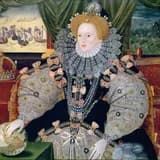
Mary, Queen of Scots, was executed at Fotheringhay Castle under Elizabeth’s authority, ending a central dynastic and religious threat.
On 8 February 1587, Mary, Queen of Scots was executed at Fotheringhay Castle, having been condemned for her involvement in conspiracies to overthrow Elizabeth I.[2][9] Mary met her death with elaborate ceremony and Catholic devotions, reinforcing her image among supporters as a martyr for the faith.
The execution was the culmination of nearly two decades of imprisonment and political tension. Although Elizabeth had signed the death warrant, she later claimed that her councillors carried out the execution without her explicit final consent, reflecting her awareness of the symbolic and diplomatic repercussions of killing an anointed queen.[7][10] News of Mary’s death caused outrage in Catholic Europe, while in Protestant circles it was often portrayed as a necessary act of self‑defense by Elizabeth.
Historically, Mary’s execution removed a major dynastic and religious rival, reducing the immediate threat of plots designed to replace Elizabeth with a Catholic monarch.[9][14] It also intensified hostility with Spain, contributing to the climate that produced the Spanish Armada the following year. For Elizabeth’s reputation, the event was double‑edged: she was criticized by some for severity and by others for hesitation, revealing the gendered and ethical scrutiny applied to a woman wielding capital power over another queen. Nevertheless, the execution marked a decisive assertion of Elizabeth’s determination to preserve her throne and the Protestant settlement against internal and external enemies.