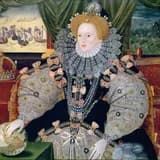
Elizabeth was formally proclaimed queen by the Privy Council, marking the start of the reign later known as the Elizabethan Age.
Also on 17 November 1558, the Privy Council formally proclaimed Elizabeth queen, publicly confirming her succession and initiating the reign that contemporaries and later historians would call the Elizabethan Age.[2][9] The proclamation was a crucial constitutional step: it signaled that the political elite accepted her as the legitimate sovereign and committed themselves to her rule.
This moment carried significant weight in an era when rival claimants and foreign powers watched the English succession closely. As a Protestant queen succeeding a Catholic monarch, Elizabeth faced potential opposition from both domestic recusants and Catholic states such as Spain and France. The council’s swift proclamation helped pre‑empt factional disputes, discourage foreign interference, and stabilize the realm at a vulnerable juncture.[2][7]
In the longer term, this proclamation framed Elizabeth’s public image. She came to be celebrated as Gloriana and the Virgin Queen, symbols that emphasized her unique relationship with the realm and her role as embodiment of national identity.[10][11] The Elizabethan Age that followed would be remembered for religious settlement, maritime expansion, and cultural flourishing, but all of these developments depended on the political consolidation achieved in the days surrounding her proclamation. The event thus marks not just a legal formality but the effective beginning of a transformative female reign in European history.