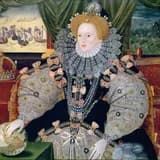
Mary, Queen of Scots, fled to England and was detained on Elizabeth’s orders, beginning nearly nineteen years of confinement.
On 16 May 1568, Mary, Queen of Scots, having fled rebellion and defeat in Scotland, arrived in England and was taken into custody on Elizabeth I’s orders.[2][9] Mary’s entry into England began nearly nineteen years of confinement, during which she would become the focus of Catholic plots and diplomatic crises.
Mary had a strong claim to the English throne as a Catholic descendant of Henry VII, and many regarded her as the legitimate sovereign instead of Elizabeth, whose own legitimacy had been questioned after Anne Boleyn’s execution.[2][7] Elizabeth faced a dilemma: sending Mary back to hostile Scottish lords risked her death, while allowing her freedom in England threatened domestic stability and invited foreign intervention.
The decision to detain Mary was historically significant because it transformed her from a displaced queen into a captive figurehead for opposition to Elizabeth’s Protestant regime. Over the following years, conspiracies such as the Ridolfi, Throckmorton, and Babington plots would center on Mary as a potential replacement monarch.[9][14] For Elizabeth, managing Mary’s imprisonment required constant balancing between justice, diplomacy, and security, illustrating the gendered and dynastic complexities of female rule in sixteenth‑century Europe. The confinement ultimately culminated in Mary’s execution, but its origins in this 1568 arrival underscore how Elizabeth’s reign was shaped by the presence of a rival queen whose fate was inseparable from England’s religious and political conflicts.