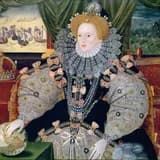
Parliament reassembled to strengthen Elizabeth’s religious settlement and royal finances, consolidating her early reforms.
On 12 January 1563, Parliament reassembled under Elizabeth I to consolidate religious and financial policy following the initial Elizabethan Religious Settlement.[9] This session produced additional measures supporting the established Protestant church and bolstering royal revenues, reflecting Elizabeth’s ongoing efforts to stabilize the kingdom after years of upheaval.
Among its priorities were the confirmation and clarification of earlier acts on royal supremacy and uniform worship, as well as taxation to fund defense and administration.[2][7] The gathering highlighted Parliament’s growing role in matters of religion and finance, even as Elizabeth carefully guarded her prerogatives. For a female monarch confronting skepticism about women’s political competence, effective management of repeated parliamentary sessions demonstrated her ability to negotiate, admonish, and compromise while keeping overall control.
Historically, the reassembly of Parliament in early 1563 contributed to the consolidation of the Elizabethan regime. It helped entrench the new Protestant establishment, ensured a more predictable fiscal base, and reinforced the pattern of monarch–Parliament interaction that would shape English governance into the seventeenth century.[9][11] Elizabeth’s willingness to meet Parliament, listen to petitions, and then steer legislation in line with her priorities became a hallmark of her style of rule. This event thus exemplifies how she used existing institutions to legitimize and secure her reforms, rather than relying solely on royal decree.