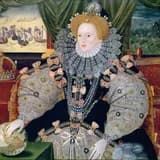
Elizabeth gave her “Golden Speech” to the House of Commons, affirming her love for her people and addressing economic grievances.
On 30 March 1601, near the end of her reign, Elizabeth I delivered her famous “Golden Speech” to the House of Commons, expressing gratitude, love for her people, and reflections on kingship.[2][9] In this address, she emphasized that she placed the welfare of her subjects above personal gain, declaring that it was "a jewel" to be "beloved" by them.
The speech came during debates over royal monopolies and economic grievances, as some MPs criticised policies that they felt harmed trade and ordinary Englishmen.[7][11] Elizabeth used the occasion to acknowledge these concerns, promise reform, and reaffirm her bond with Parliament and the nation. Her rhetoric combined humility with authority, portraying herself as both servant and sovereign.
Historically, the Golden Speech has been celebrated as a masterful piece of political communication and a window into Elizabeth’s self‑fashioning as a queen regnant.[10][14] It helped defuse tension with Parliament and contributed to the enduring image of her reign as a "golden age" by framing her rule in terms of mutual affection rather than coercion. The speech also illustrates how Elizabeth navigated gendered expectations, adopting maternal and nurturing language while asserting her right to command. Its language has been repeatedly quoted and studied as an example of early modern political oratory, demonstrating the power of a woman’s voice at the heart of the English state.