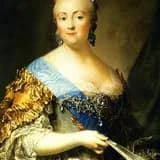
Elizabeth led a bloodless palace coup in St. Petersburg, overthrowing infant Emperor Ivan VI and proclaiming herself Empress.
On the night of 6 December 1741, Elizabeth Petrovna, backed by loyal regiments of the Preobrazhensky Guard, marched on the Winter Palace and seized power in a swift, largely bloodless coup d'état. She overthrew the infant Emperor Ivan VI and his regent mother, Anna Leopoldovna, who represented the unpopular German-influenced regency that had governed Russia since the death of Empress Anna.
Elizabeth's coup was framed as a restoration of the rightful line of Peter the Great, her father, appealing to Russian national sentiment against foreign influence in the court. She reportedly appeared before the guards in full armor, invoking her father's memory to rally support, a dramatic and symbolically potent act that cemented her legitimacy in the eyes of the military and nobility.
This event marked the beginning of a reign of nearly two decades that would see significant cultural, educational, and architectural flowering in Russia. The coup itself stands as a notable example of a woman seizing supreme political power through direct military action rather than inheritance or marriage, a rare feat in 18th-century European monarchy. Elizabeth's ascension set the stage for her later reforms, including the founding of Moscow University and her humane policy against capital punishment, and she remains one of the most celebrated of Russia's 'Age of Palace Revolutions' rulers.