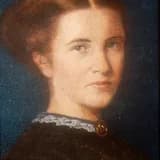
Garrett passed the Society of Apothecaries' exam, becoming the first woman to qualify as a physician and surgeon in Britain and entering the Medical Register.
On 28 September 1865, Elizabeth Garrett passed the licensing examination of the Society of Apothecaries, having discovered that its charter did not explicitly bar women from sitting the exam—a loophole she and her supporters had identified after being refused entry to every British medical school she applied to.
Having privately studied anatomy and physiology with sympathetic doctors and attended lectures disguised or through special arrangement (since women were barred from formal enrollment), Garrett prepared rigorously for years to sit this exam. Her success allowed her name to be entered on the British Medical Register, making her the first woman in Britain to qualify legally as a physician and surgeon.
The achievement was so unprecedented—and so threatening to the male medical establishment—that the Society of Apothecaries swiftly amended its rules afterward to explicitly prohibit women from taking the examination in the future, closing the loophole Garrett had used. This makes her qualification not just a personal triumph but a pivotal, one-time breach in the wall excluding women from British medicine, forcing her and other aspiring female doctors to seek alternative routes, including qualifying abroad.
Her achievement opened public debate about women's capacity for medical practice and inspired a generation of women to pursue medicine despite institutional resistance.