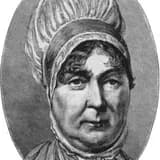
Elizabeth Fry died of a stroke in Ramsgate, Kent, at age 65, ending a career that transformed British prison and social reform.
Elizabeth Fry died on 12 October 1845 in Ramsgate, Kent, England, at the age of 65, after suffering a stroke. Her death marked the end of a career that had fundamentally reshaped public understanding of and policy toward imprisoned women, the sick, and other marginalized populations across Britain and, through her extensive travels and correspondence, in continental Europe as well.
By the time of her death, Fry had become one of the most internationally celebrated women of her era, having met with royalty, testified before Parliament, and established or inspired reform organizations across Britain, France, the Netherlands, and beyond. Her funeral drew large crowds, reflecting the immense public esteem in which she was held, an extraordinary achievement for a woman operating almost entirely outside formal political structures in early nineteenth-century Britain.
Her legacy endured for generations afterward: she became a touchstone figure for the developing nursing profession, for prison reform movements internationally, and for the broader cause of women's organized public activism. In 2002, more than a century and a half after her death, the Bank of England placed her portrait on the £5 note, a rare honor for a non-royal historical woman, cementing her status as a national symbol of humanitarian reform. Her Quaker faith, practical compassion, and evidentiary approach to advocacy remain models cited by reformers and historians alike.