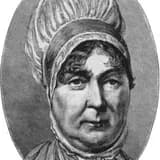
Elizabeth Gurney, future prison reformer Elizabeth Fry, was born at Earlham Hall, Norwich, into a prominent Quaker banking family.
Elizabeth Gurney was born on 21 May 1780 at Earlham Hall near Norwich, England, the fourth child of John Gurney and Catherine Bell, members of a wealthy and influential Quaker family engaged in banking and textile trading. The Gurneys were part of a close-knit network of Quaker families who combined commercial success with deep religious conviction and a strong tradition of philanthropy and social concern.
Raised in comfort at Earlham Hall, young Elizabeth received an education typical of an affluent Quaker daughter, exposed to ideas of moral duty, simplicity, and charitable service from childhood. Though she experienced a period of religious doubt in her youth, a pivotal encounter with the American Quaker preacher William Savery in 1798 reignited her faith and set her on a path toward a lifetime of religious devotion and social activism.
Her birth into the Gurney family provided her with the social standing, financial security, and intellectual environment that would later enable her unprecedented public role as a reformer. The Quaker emphasis on the "Inner Light" and equality of all people before God shaped her later conviction that even the most despised prisoners deserved compassion and rehabilitation rather than mere punishment. This upbringing laid the essential foundation for the woman who would become one of the nineteenth century's most celebrated humanitarian reformers.