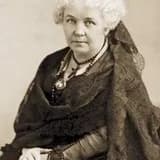
Stanton's Declaration of Sentiments was debated and adopted on the convention's second day, becoming the movement's founding document.
On July 20, 1848, the second day of the Seneca Falls Convention, attendees debated and formally adopted Elizabeth Cady Stanton's Declaration of Sentiments. Modeled closely on the Declaration of Independence, the document famously asserted "that all men and women are created equal" and enumerated a list of grievances documenting the systematic legal, economic, social, and religious subordination of women in American society.
The Declaration addressed issues including women's exclusion from the vote, lack of property rights within marriage, unequal access to education and professions, and the moral double standard applied to men and women. Sixty-eight women and thirty-two men ultimately signed the document, a significant act of public commitment given the social risks involved in publicly demanding women's equality at the time.
Historians consider the Declaration of Sentiments the foundational text of the American women's rights movement. It provided the movement's first coherent articulation of goals and grievances, and its language and structure would echo through decades of subsequent activism. Stanton's authorship of this document cemented her position as the movement's principal philosophical voice, even as other organizers, such as Lucretia Mott, contributed to the convention's success.
The document's adoption represents a pivotal moment when women's demands for legal and social equality were, for the first time in the U.S., formally recorded and publicly circulated.