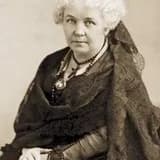
Stanton's suffrage resolution, adopted after fierce debate at Seneca Falls, marked the first organized demand for women's voting rights in the U.S.
On July 20, 1848, Elizabeth Cady Stanton introduced a resolution at the Seneca Falls Convention explicitly demanding the right of women to vote. Unlike most of the other resolutions in the Declaration of Sentiments, which passed unanimously, the suffrage resolution proved controversial—even among convention organizers—and was adopted only after vigorous debate and the support of abolitionist Frederick Douglass, who argued passionately in its favor.
Britannica identifies this as the first organized demand for woman suffrage in United States history. At a time when the idea of women voting was considered radical, even scandalous, by much of American society (and even by some allied reformers), Stanton's insistence on including suffrage was a bold and politically risky stance.
This resolution set the trajectory for the next seven decades of the women's rights movement, establishing suffrage as its central and most consequential demand. Stanton would spend the rest of her life advocating for this cause, though she did not live to see its fulfillment with the ratification of the Nineteenth Amendment in 1920, eighteen years after her death.
The resolution's passage demonstrated the convention's willingness to embrace the most far-reaching of women's demands, and it fundamentally shaped the political direction of American feminism.