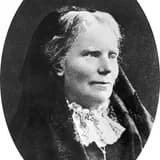
Elizabeth Blackwell died in Hastings, Sussex, England, at the age of 89, having devoted her life to advancing women in medicine.
Elizabeth Blackwell died on May 31, 1910, in Hastings, Sussex, England, at the age of 89. She had spent her final years in semi-retirement, continuing to write on medical, social, and moral reform topics, including her 1895 autobiography, Pioneer Work in Opening the Medical Profession to Women.
By the time of her death, Blackwell had witnessed the results of the pioneering work she began decades earlier: a growing, though still small, cohort of women physicians practicing in both the United States and Britain, women's medical colleges established on both sides of the Atlantic, and a general — if incomplete — softening of institutional resistance to women in medicine.
Her death was marked by tributes in medical and popular press on both sides of the Atlantic, recognizing her as the woman who had broken the initial barrier into the medical profession for women. She was buried at Kilmun, Argyll, Scotland, a location she had grown fond of during trips to the Scottish coast in her later years.
Blackwell's legacy endured well beyond her death: institutions such as the Elizabeth Blackwell Medal (awarded annually by the American Medical Women's Association) and numerous scholarships, buildings, and honors at institutions like Hobart and William Smith Colleges (successor to Geneva Medical College) continue to bear her name, ensuring her pioneering contributions remain memorialized in medical history.