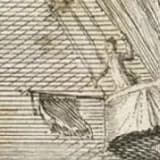
Thible flew aboard the balloon La Gustave over Lyon with Monsieur Fleurant, becoming the first woman recorded to fly in a free, untethered balloon.
On 4 June 1784, Élisabeth Thible made history as the first woman to fly in an untethered, free-floating hot-air balloon. The flight took place over the city of Lyon, France, aboard the balloon named La Gustave, in honor of the visiting King Gustav III of Sweden, who was present as an observer of the spectacle.
Thible ascended alongside a co-pilot, Monsieur Fleurant, and reportedly sang arias during the flight, turning the ascent into a theatrical and artistic performance as much as a scientific demonstration. The balloon rose to an altitude estimated between 1,500 and 2,000 meters and remained aloft for around 45 minutes, traveling several kilometers before landing safely.
This event came only months after the Montgolfier brothers' first public unmanned and manned balloon ascents in 1783, a period of intense public fascination with 'aerostation.' Prior to Thible's flight, women had only experienced tethered or captive balloon ascents; her flight broke that barrier, proving that women could participate as active aeronauts rather than mere spectators or ground-based assistants.
Her achievement predates other well-known women aviation pioneers by well over a century and remains a foundational milestone in the history of female participation in aviation and exploration. Despite the brevity of her fame, Thible's flight symbolizes women's early entry into a field that would remain largely closed to them for generations afterward.