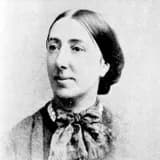
Around mid-1868, Ormerod began assisting the Royal Horticultural Society in cataloguing insects affecting British agriculture, launching her scientific career.
In the summer of 1868, the Royal Horticultural Society sought assistance in compiling a comprehensive collection of insects — both beneficial and harmful — affecting British agriculture and horticulture. Eleanor Anne Ormerod, then in her forties and entirely self-taught in entomology, responded to this call and began contributing her careful observations and specimens.
This marked the true beginning of her transition from an amateur naturalist to a serious economic entomologist. At a time when women were almost entirely excluded from formal scientific institutions and rarely permitted to publish under their own names in scholarly journals, Ormerod's meticulous documentation of insect life cycles, behaviors, and agricultural impact quickly distinguished her work.
Her collaboration with the Royal Horticultural Society gave her a platform to demonstrate the practical value of entomological study for farmers battling crop-destroying pests. It was the first step in what would become a decades-long career providing expert, evidence-based advice to the agricultural community of Britain, ultimately establishing her as one of the pioneering figures of applied entomology — a field she helped professionalize despite having no university training or formal scientific credentials.