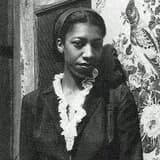
Edna Lewis published her landmark cookbook, introducing the seasonal Black rural Southern foodways of Freetown, Virginia to a national readership.
On September 1, 1976, Edna Lewis published The Taste of Country Cooking, widely regarded as her masterwork and one of the most influential American cookbooks of the twentieth century. Structured around the changing seasons of a farming year in her native Freetown, Virginia, the book combined recipes with vivid memoir-style narrative, describing hog-killing time, spring gatherings, summer harvests, and the community rituals surrounding food.
The book was groundbreaking for presenting Black Southern rural foodways with dignity, precision, and literary artistry, rejecting the caricatures often associated with 'soul food' in mainstream American culture at the time. Lewis insisted on the specificity of her family's recipes and the agricultural knowledge behind them, effectively authoring a work of culinary anthropology as much as a cookbook.
The Taste of Country Cooking is credited with popularizing the idea of eating according to the seasons decades before farm-to-table became a culinary movement, and it remains in print, taught in culinary schools, and cited by chefs and food writers as a foundational text. Its publication marked a turning point in how American food writing treated Black Southern cuisine, elevating it to the realm of high literature and serious culinary scholarship.