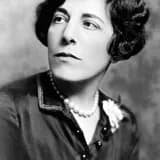
Edna Ferber received the Pulitzer Prize for the Novel for So Big, announced on April 14, 1924, cementing her literary reputation.
On April 14, 1924, Edna Ferber was awarded the Pulitzer Prize for the Novel (the predecessor to today's Fiction category) for her book So Big, a sweeping story following Selina Peake DeJong, a woman who overcomes hardship to build a life and raise a son amid the truck farms outside Chicago. The novel had already achieved best-seller status prior to the award, but the Pulitzer elevated Ferber into the top ranks of serious American novelists.
This recognition was especially significant for a woman writer working in an era when literary prestige was overwhelmingly dominated by men. Ferber's win demonstrated that fiction centered on a strong, resourceful female protagonist—and rooted in everyday American settings such as farming communities—could achieve the highest critical acclaim.
The Pulitzer accolade transformed Ferber's public profile, making her a household name and increasing demand for her subsequent novels. It also paved the way for the enduring commercial success of her later works, several of which, like So Big itself, were adapted multiple times for film.
The award remains one of the signature achievements of Ferber's career, symbolizing the high-water mark of critical recognition for a body of work that consistently examined class, gender, and the American experience through richly drawn characters.