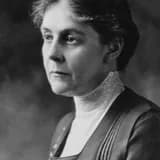
Alice Hamilton died on September 22, 1970, in Hadlyme, Connecticut, at the age of 101.
Alice Hamilton died on September 22, 1970, at her home in Hadlyme, Connecticut, just months before her 102nd birthday. She lived an extraordinarily long life that spanned from the era of horse-drawn carriages to the age of space exploration, remaining intellectually active and engaged with public affairs well into her final years.
By the time of her death, Hamilton had long been recognized as the founder of industrial medicine and toxicology as scientific disciplines in the United States. Her decades of research had directly shaped workers' compensation laws, occupational safety regulations, and public health policy, saving countless lives by exposing the hazards of lead, mercury, and other industrial toxins that had previously gone unregulated.
Her death was marked by tributes from the medical, academic, and labor communities that recognized her as a trailblazer who broke through the gender barriers of early 20th-century medicine and science to become one of its most influential public health reformers. In the years following her death, her legacy continued to grow: the U.S. Department of Labor's Alice Hamilton Award (established in her honor) continues to recognize outstanding scientific research contributing to worker safety, ensuring that her name remains permanently linked to the field she pioneered.