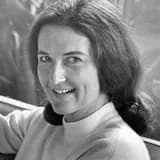
Fossey's body was discovered in her cabin at Karisoke on the morning of December 27, 1985, following her murder the previous night.
On the morning of December 27, 1985, Dian Fossey's body was discovered inside her cabin at the Karisoke Research Center by camp staff. She had been fatally attacked with a machete, and the scene suggested a violent struggle, consistent with theories that she had confronted or resisted an intruder.
The discovery of her body sent shockwaves through the international scientific and conservation communities. News of the murder of the world's most prominent gorilla researcher—working alone in a remote mountain camp she had built from nothing nearly two decades earlier—spread rapidly through global media, drawing extraordinary attention to the dangers faced by field conservationists and the escalating conflict between poachers and wildlife protectors in Central Africa.
Investigators and journalists who arrived at Karisoke in the following days documented a scene that fueled decades of speculation about the identity and motive of her killer, including theories implicating poachers she had relentlessly pursued, disgruntled former employees, and even suggestions of involvement by parties opposed to her conservation work for economic reasons.
The discovery of her body on this date marks the tragic conclusion of Fossey's 18-year mission in the Virungas, but also served as a catalyst: it intensified global commitment to mountain gorilla conservation and led directly to the strengthening of the organization that bears her legacy, the Dian Fossey Gorilla Fund International, which continues anti-poaching and research operations at Karisoke to this day.