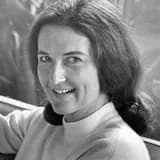
Dian Fossey was murdered in her cabin at Karisoke Research Center in Rwanda, a killing widely linked to her anti-poaching efforts.
Dian Fossey was killed on December 26, 1985, in her cabin at the Karisoke Research Center in Rwanda. She was found the following morning, fatally struck with a machete, in an apparent act of violence that many believe was retaliation for her aggressive anti-poaching campaigns and her fierce, often confrontational opposition to gorilla trafficking and habitat encroachment.
Her murder was never conclusively solved. Rwandan authorities charged several individuals, including a former research assistant and local men connected to poaching networks, but the case remained mired in controversy, allegations of cover-up, and conflicting theories implicating everyone from poachers to political actors angered by her conservation activism blocking economic development plans.
Fossey's death shocked the international conservation community and drew unprecedented global media attention to the plight of mountain gorillas and the dangers faced by conservationists working on the front lines against poaching. She was buried at Karisoke in a gorilla graveyard she had created for gorillas killed by poachers, including her beloved gorilla "Digit," symbolizing her lifelong devotion to the animals she studied.
Her death galvanized increased funding and support for gorilla conservation, and the organization she founded, later renamed the Dian Fossey Gorilla Fund International, expanded its mission in her honor, cementing her status as both a scientific pioneer and a martyr for wildlife conservation.