← All women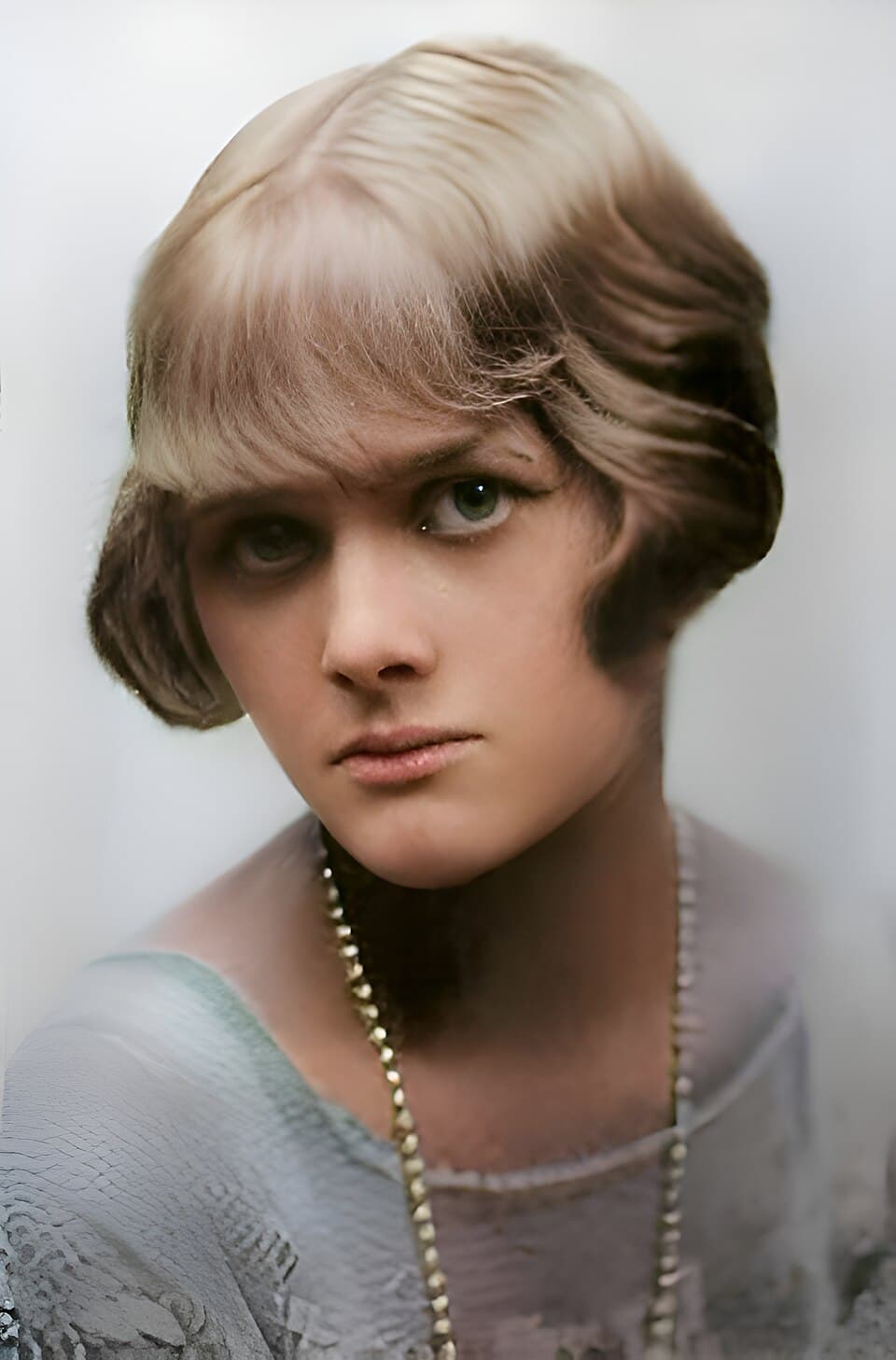
British · Literature
Daphne Du Maurier
May 13, 1907 – April 19, 1989
Early Life and Background
Daphne du Maurier was born on May 13, 1907, in London, England, to parents Muriel Beaumont, an actress, and Gerald du Maurier, a prominent actor and manager. Growing up in a creative environment, du Maurier was encouraged to read and explore her literary talents from a young age. Her grandfather, George du Maurier, was a writer and cartoonist, best known for his novel "Trilby".
Du Maurier was educated at home by governesses and later attended schools in London, Paris, and Alexis Manice's private school in Hampstead. Her upbringing amidst artistic figures instilled in her a fascination for storytelling and drama.
Career Beginnings and Development
Du Maurier's writing career began in earnest in 1931 with the publication of her first novel, "The Loving Spirit". This novel attracted the attention of her future husband, Frederick Browning, who was captivated by her writing and subsequently pursued her, leading to their marriage in 1932.
Her breakthrough came with the publication of "Rebecca" in 1938, a psychological thriller that became an immediate bestseller, winning the National Book Award for Favorite Novel in the United States. The novel's success thrust du Maurier into the literary spotlight and remains her most celebrated work.
Major Works, Discoveries, and Accomplishments
Following "Rebecca", du Maurier published a series of acclaimed novels, including "Jamaica Inn" (1936), "Frenchman's Creek" (1941), and "My Cousin Rachel" (1951), each reflecting her mastery of gothic suspense and complex character depiction.
Many of her stories were adapted into dramatic and cinematic works, most notably Alfred Hitchcock's film adaptation of "Rebecca" in 1940, which won two Academy Awards. Similarly, her short story "The Birds" was also adapted by Hitchcock into a famous 1963 film.
Awards, Honors, and Recognition
Throughout her career, Daphne du Maurier was acclaimed for her ability to weave suspenseful and haunting narratives. Her recognition includes being awarded a Dame Commander of the Order of the British Empire (DBE) in 1969 for her literary contributions.
Personal Life
Du Maurier married Lieutenant-General Frederick Browning, with whom she had three children: Tessa, Flavia, and Christian. Despite personal challenges, including her husband's struggles after World War II, du Maurier maintained a steadfast career.
Legacy and Historical Impact
Daphne du Maurier's work remains influential in the genres of gothic romance and psychological suspense. Her nuanced exploration of identity, isolation, and the uncanny set a high standard in literature, inspiring countless writers and filmmakers.
Her impact is preserved through continued adaptations of her work for stage and screen, as well as literary scholarship examining her profound influence on 20th-century fiction.
Later Life and Death
Daphne du Maurier spent her later years in her beloved Cornwall, where much of her writing is situated. She died on April 19, 1989, at her home in Par, Cornwall. Her legacy endures through her enduring works that continue to captivate new generations of readers.
Dated achievements
2 indexed.
- May131907Literature
Born in London
Daphne du Maurier was born in London.
View details Wikipedia - Daphne du Maurier - Apr191989Literature
Death of Daphne du Maurier
Daphne du Maurier passed away in Par, Cornwall, on April 19, 1989.
View details