Dante Alighieri died in Ravenna, Italy, likely during the night of 13–14 September 1321, shortly after returning from a diplomatic mission to Venice.
Dante Alighieri died in the city of Ravenna on the night of 13–14 September 1321, having recently returned from a diplomatic mission undertaken on behalf of his host and patron, Guido Novello da Polenta, to the Republic of Venice. Historical accounts suggest that Dante contracted malaria during this journey through the marshy Comacchio region, and his health rapidly deteriorated upon his return to Ravenna, where he succumbed to the illness at the age of fifty-six.
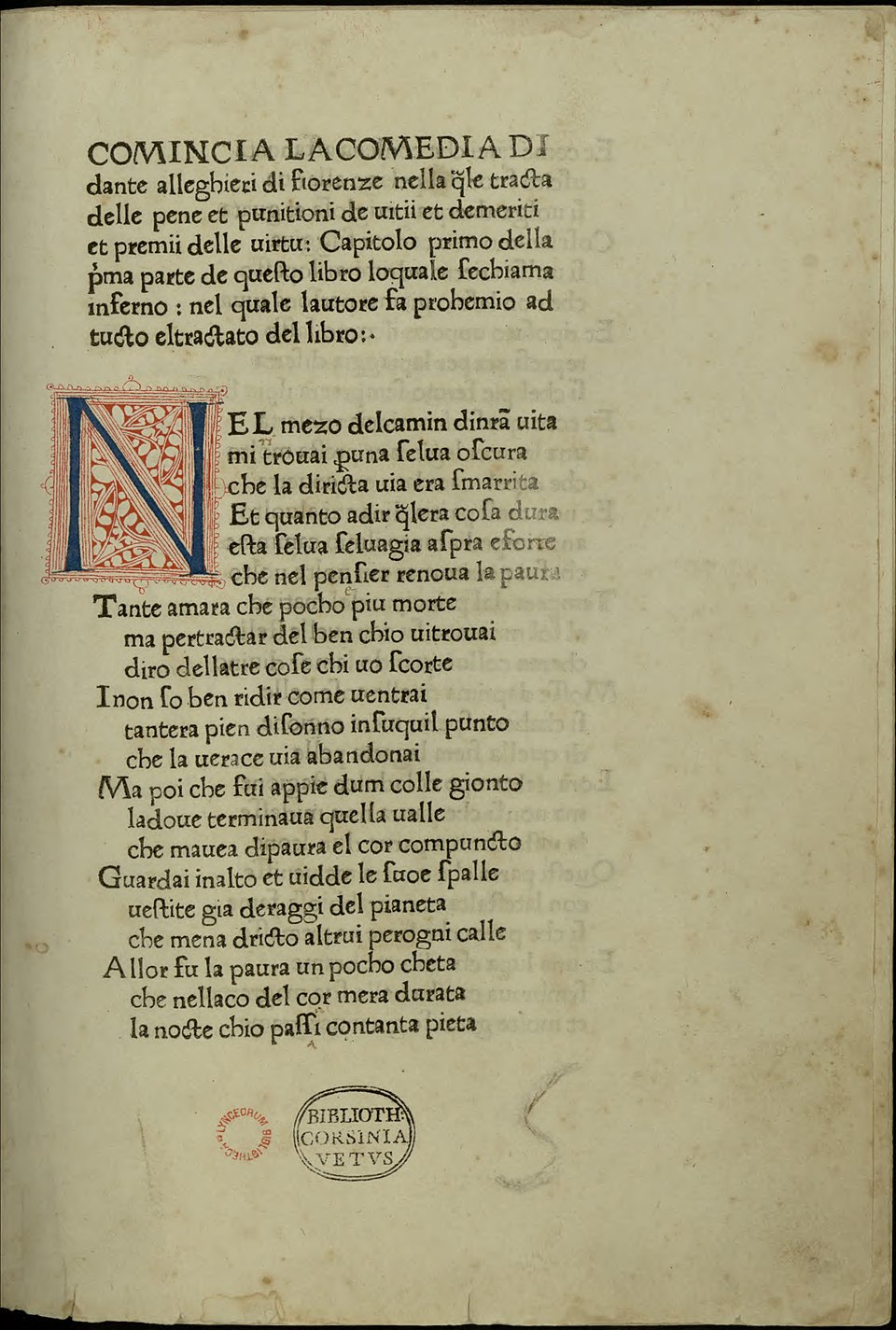
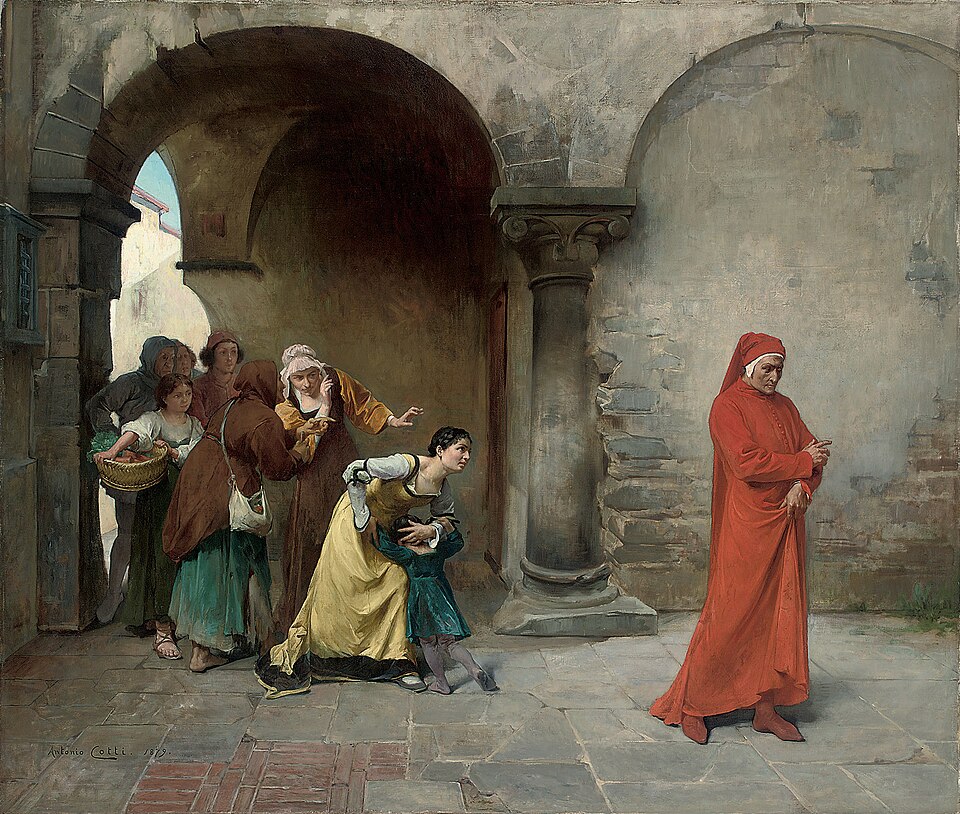
By this point in his life, Dante had completed the entirety of his monumental work, the Divine Comedy, including the final cantos of Paradiso, which he had only just finished before his death. His passing marked the end of a life spent largely in political exile from his native Florence, a city that had condemned him to death in absentia decades earlier over political disputes between the Guelphs and Ghibellines.
Dante was buried in Ravenna, and despite centuries of requests from Florence to have his remains returned, the city of Ravenna has retained his tomb, which remains a site of literary pilgrimage to this day. His death closed the chapter on one of the most influential literary careers in Western history, yet his legacy only grew in the centuries following, as the Divine Comedy became foundational to the Italian language and to world literature, influencing countless writers, artists, and thinkers for over seven hundred years.
Images