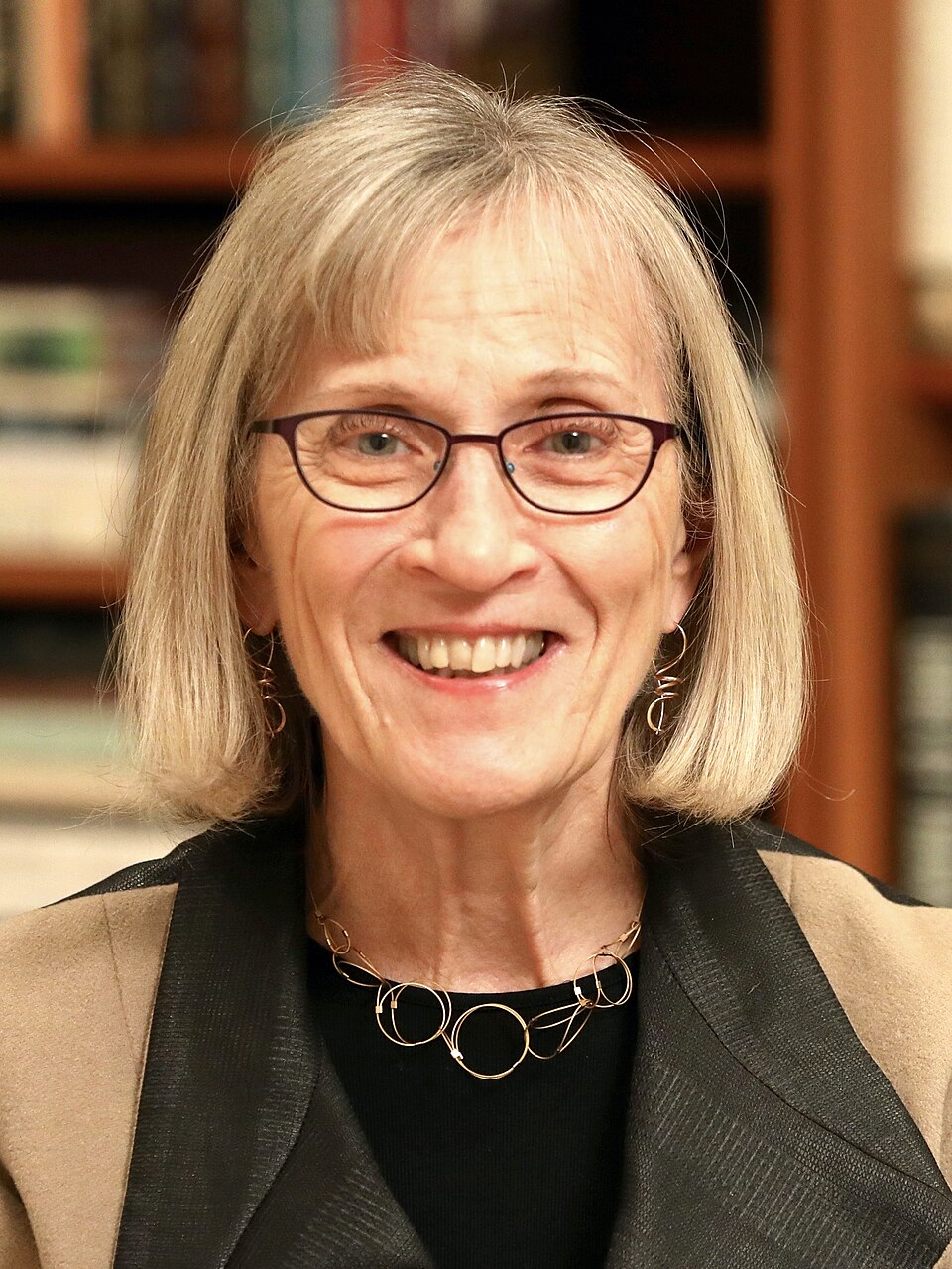
Claudia Goldin was born on December 14, 1946, in New York City, the future economic historian and Nobel laureate.
Claudia Goldin was born on December 14, 1946, in New York City. She grew up in a middle-class family and has spoken about how an early fascination with microbiology—sparked by a chemistry set and later a college course—first drew her toward science before she pivoted to economics.
Goldin attended Cornell University as an undergraduate, where a course taught by Alfred Kahn ignited her interest in industrial organization and economics more broadly. She went on to pursue graduate study in economics at the University of Chicago, then a hotbed of price theory and economic history, where she earned her PhD in 1972 under the mentorship of scholars including Robert Fogel, a pioneer of cliometrics (the use of quantitative methods in economic history).
This early grounding in both rigorous economic theory and historical inquiry would define Goldin's entire scholarly career. She became renowned for combining meticulous archival research—digging through historical labor records, census data, and wage ledgers—with careful economic analysis to answer long-standing questions about gender and labor markets. Her birth in the postwar era positioned her generation of women to directly experience, and later analyze, the dramatic transformation of women's roles in the American workforce across the twentieth century.
Her birthdate is documented in her official Nobel Prize biographical materials, marking the beginning of a life that would fundamentally reshape how economists understand gender, work, and inequality.
Images