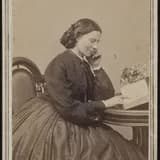
Barton arrived in Galveston after the flood and directed Red Cross relief supplies, reinforcing the organization’s domestic disaster-response role.
On September 17, 1900, Clara Barton arrived in Galveston, Texas, and directed relief supplies for victims of the devastating flood. This is one of the clearest dated examples of her post-founding Red Cross disaster work and shows how the organization responded to a major domestic catastrophe at the turn of the century.
The Galveston relief operation was historically important because it illustrated the Red Cross’s growing ability to mobilize supplies and volunteers for a large civilian disaster. In the absence of modern federal emergency management structures, Barton’s leadership helped define what organized American disaster relief could look like. Her work in Galveston also demonstrated the continuity between her wartime service and peacetime humanitarian response: the same determination that helped wounded soldiers now helped flood survivors.
The event reinforced Barton’s reputation as a national crisis responder and extended the practical legacy of the American Red Cross. It also showed the adaptability of her methods, which were based on speed, empathy, and administrative order. Galveston remains an important marker of the transition from improvised philanthropy to more systematic emergency relief in the United States.