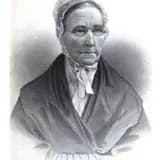
Catharine White married fellow Quaker Levi Coffin in Guilford County, North Carolina, forming the partnership central to their later Underground Railroad work.
On October 28, 1824, Catharine White married Levi Coffin at the Hopewell Friends Meetinghouse (also known as Hopewell Church) in Guilford County, North Carolina. Both bride and groom came from Quaker families with deep anti-slavery convictions, and their union joined two individuals who would together become among the most significant figures in the history of the American abolitionist movement.
Quaker marriages of this era were solemnized within the meeting community according to the traditions of the Religious Society of Friends, typically without clergy, with the couple exchanging vows before the gathered congregation who served as witnesses to the union. This communal ceremony reflected the close-knit nature of Quaker society, which would remain central to the Coffins' later organizing efforts.
The marriage marked the beginning of a lifelong partnership that extended far beyond domestic life. Catharine and Levi would become inseparable collaborators in operating a network aiding freedom seekers, with Catharine often personally responsible for clothing, feeding, and sheltering escaping enslaved people who arrived at their home, while Levi handled much of the external logistics and correspondence. Their shared faith and mutual commitment, forged at this 1824 wedding, would sustain decades of dangerous, illegal, and physically demanding humanitarian work along the Underground Railroad in both Indiana and Ohio.