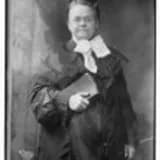
Carrie Nation publicly voiced support for women's suffrage, linking her temperance activism with the fight for the vote.
On January 22, 1908, Carrie Nation publicly declared her support for women's suffrage, explicitly connecting her decades-long temperance crusade to the broader movement for women's political rights. She argued that granting women the vote would allow them to more directly and effectively combat the saloon trade and alcohol's destructive effects on families, framing suffrage as a practical tool for achieving the moral reforms she had spent years pursuing through direct, often extralegal, action.
This public alignment reflected a common strategic and ideological convergence in the Progressive Era between the temperance and suffrage movements; many activists, including prominent leaders of the WCTU, argued that women's votes were essential to achieving and enforcing prohibition legislation, since women bore disproportionate social and economic harm from alcoholism within families but had no direct political power to address it.
Nation's endorsement added her substantial celebrity and moral authority to the suffrage cause during a critical period when the movement was gaining momentum but had not yet achieved national success (the 19th Amendment would not be ratified until 1920, nine years after her death). Her advocacy illustrates how her activism, often remembered narrowly for its dramatic and violent saloon-smashing episodes, was in fact part of a broader vision of women's empowerment and social reform, connecting anti-alcohol activism with the fight for full political citizenship for women in the United States.