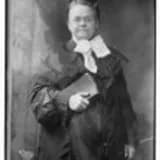
Newspapers reported Carrie Nation's followers and allied temperance organizations actively mobilizing across Kansas.
By February 18, 1901, newspaper coverage documented that Carrie Nation's actions had inspired an organized network of followers and allied temperance groups actively campaigning across the state of Kansas. Her dramatic saloon raids had galvanized existing organizations, including local chapters of the Woman's Christian Temperance Union (WCTU), and inspired new grassroots direct-action groups sympathetic to her militant methods.
This period reflects the broader mobilization effect Nation had on the prohibition movement: rather than acting entirely alone, she became a catalyzing figure around whom other activists coalesced, whether through formal organizational support or independent emulation of her hatchet-wielding tactics. Some followers began carrying out their own raids on saloons, while others provided logistical, legal, and financial support for Nation's continuing campaign and her frequent court appearances.
The reported activity across Kansas in this period demonstrates how a single, highly publicized individual could reinvigorate and redirect a broader social movement, blending grassroots religious fervor with confrontational, sometimes illegal, direct action. It also reflects the tensions within the temperance movement itself between more moderate, legislatively focused reformers and the militant wing that Nation had come to personify, a divide that would continue to shape prohibition politics in the years leading up to national Prohibition in 1920.