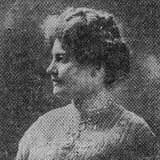
Death of Carolyn B. Shelton in Washington, D.C., after a career that included serving as Oregon’s first woman acting governor.
Carolyn B. Shelton died on July 26, 1936, in Washington, D.C., closing the life of a woman whose quiet administrative career had produced one of the most notable firsts in U.S. political history. By then she had spent many years in the capital as George E. Chamberlain’s private secretary during his service in the U.S. Senate and, later, as his widow.
Her death came nearly three decades after her brief tenure as acting governor of Oregon from February 27 to March 1, 1909, when she became the first woman to serve as acting governor of a U.S. state. Though she performed mostly routine duties during those days, the constitutional reality of her role—and the public recognition it received—had already secured her place in women’s history.
By 1936, the political landscape she had helped foreshadow had begun to change: women nationwide had gained the right to vote with the Nineteenth Amendment in 1920, and a small but growing number of women were entering public office. Shelton, however, never campaigned for elected office; her influence came through professional excellence in roles often dismissed as merely secretarial.
Her passing in Washington removed a living link to an era when women’s formal political authority was extraordinary and contested. Later historians, museum curators, and journalists would rediscover her story, presenting her as an example of how women in support positions could both sustain male politicians’ careers and, under unusual circumstances, temporarily step into the highest offices themselves.
July 26, 1936, thus marks not only the end of her personal journey from orphaned Oregon girl to symbolic governor, but also a pivot point at which her life entered the realm of historical memory, to be reclaimed decades later by women’s history scholars and public history institutions.