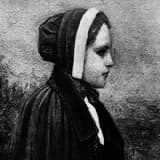
Sheriff George Corwin formally executed the court's warrant, hanging Bridget Bishop and beginning the deadliest phase of the Salem witch trials.
On June 10, 1692, Sheriff George Corwin carried out the execution warrant issued by the Court of Oyer and Terminer against Bridget Bishop. Colonial court records show that Corwin formally returned that he had taken Bishop from the Salem jail to the place of execution and "caused the said Bridget to be hanged by the neck until she was dead."
This formal legal return is historically significant because it documents the precise mechanics of colonial capital punishment procedure: an appointed sheriff, acting under a court-issued death warrant, personally responsible for confirming the sentence was carried out. Corwin's terse, procedural language stands in stark contrast to the emotionally charged accusations and testimony that led to the verdict, illustrating how quickly and coldly the machinery of the law moved once spectral evidence was accepted as legitimate proof of guilt.
Bishop's execution, formally certified by Corwin, marked the opening of what would become the deadliest and most infamous witch-hunt in American history. Nineteen more people would be hanged and one pressed to death over the following months. Corwin's return is one of the few surviving primary-source documents that gives historians a concrete, dated anchor point for the start of the executions, making it an essential piece of evidence in reconstructing the timeline of the Salem trials.