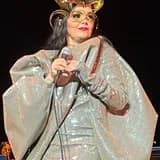
Björk released her solo debut album Debut in the UK, transitioning from Sugarcubes frontwoman to acclaimed solo artist.
On July 5, 1993, Björk released Debut, her first solo album aimed at adult audiences, in the United Kingdom. Produced largely with Nellee Hooper, the album fused house, trip-hop, jazz, and classical elements into a distinctive electronic-pop sound that had not been heard in mainstream music before.
Following the breakup of her band the Sugarcubes, many doubted whether Björk could sustain a solo career, especially one built on such unconventional sonic choices. Debut proved otherwise, debuting to critical acclaim and going on to sell over three million copies worldwide. Singles such as "Human Behaviour" and "Big Time Sensuality" showcased her idiosyncratic voice and lyrical style, cementing her identity as an art-pop innovator rather than a conventional pop star.
The album's success established the template for her career: constant reinvention, collaboration with cutting-edge producers, and an insistence on merging high art with popular music. It also positioned London (where she had relocated) as her creative base while she remained proudly Icelandic in identity and aesthetic.
Debut is frequently cited by critics and later artists as a foundational work in 1990s alternative electronic music, influencing a generation of musicians who blended dance music with introspective songwriting.