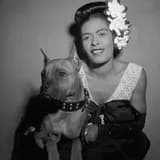
Records "Strange Fruit" for Commodore Records, creating a landmark anti‑lynching protest recording.
On 2 July 1939, Billie Holiday recorded "Strange Fruit" for Commodore Records in New York City, creating one of the most consequential discs in American music history.
Major label Columbia, to which Holiday was contracted, refused to release the song because of its controversial anti‑lynching subject matter. Producer Milt Gabler at the smaller Commodore label arranged a special session so that Holiday could commit the piece to record. Her performance—spare, measured, and emotionally devastating—paired with a subdued accompaniment that allowed every word to emerge with clarity.
The resulting record circulated nationally and became an emblem of musical resistance to racial terror. It also drew the attention of government agencies; later accounts connect Holiday’s association with "Strange Fruit" to increased surveillance and harassment, including by the Federal Bureau of Narcotics. In artistic terms, the recording solidified Holiday’s status not only as a premier jazz singer but also as a politically engaged artist willing to risk commercial safety for moral urgency. The 2 July 1939 session thus marks the moment when "Strange Fruit" moved from a nightclub sensation to a permanent, widely heard document of protest.