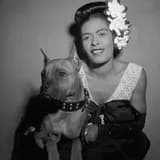
Publication of her autobiography "Lady Sings the Blues" with co‑author William Dufty.
On 1 February 1956, Billie Holiday’s autobiography Lady Sings the Blues, written with journalist William Dufty, was published by Doubleday.
The book offered a candid, if sometimes factually disputed, account of her childhood in poverty, experiences of racism and sexual violence, career struggles, and battles with addiction and the criminal justice system. At a time when few Black women entertainers were given the opportunity to tell their stories in book form for a mainstream publisher, Holiday’s memoir was groundbreaking. Its conversational voice and unflinching descriptions challenged sanitized narratives about show business and respectability.
Historically, Lady Sings the Blues has become a key text for scholars of jazz, Black women’s history, and autobiography, even as researchers cross‑check its claims against archival records. The book helped shape Holiday’s posthumous image as a tragic yet resilient artist and later inspired the 1972 film of the same name starring Diana Ross. Its publication marked Holiday’s entry into literary as well as musical history, preserving her perspective in her own words and influencing later generations of artist‑memoirists.